
Description:
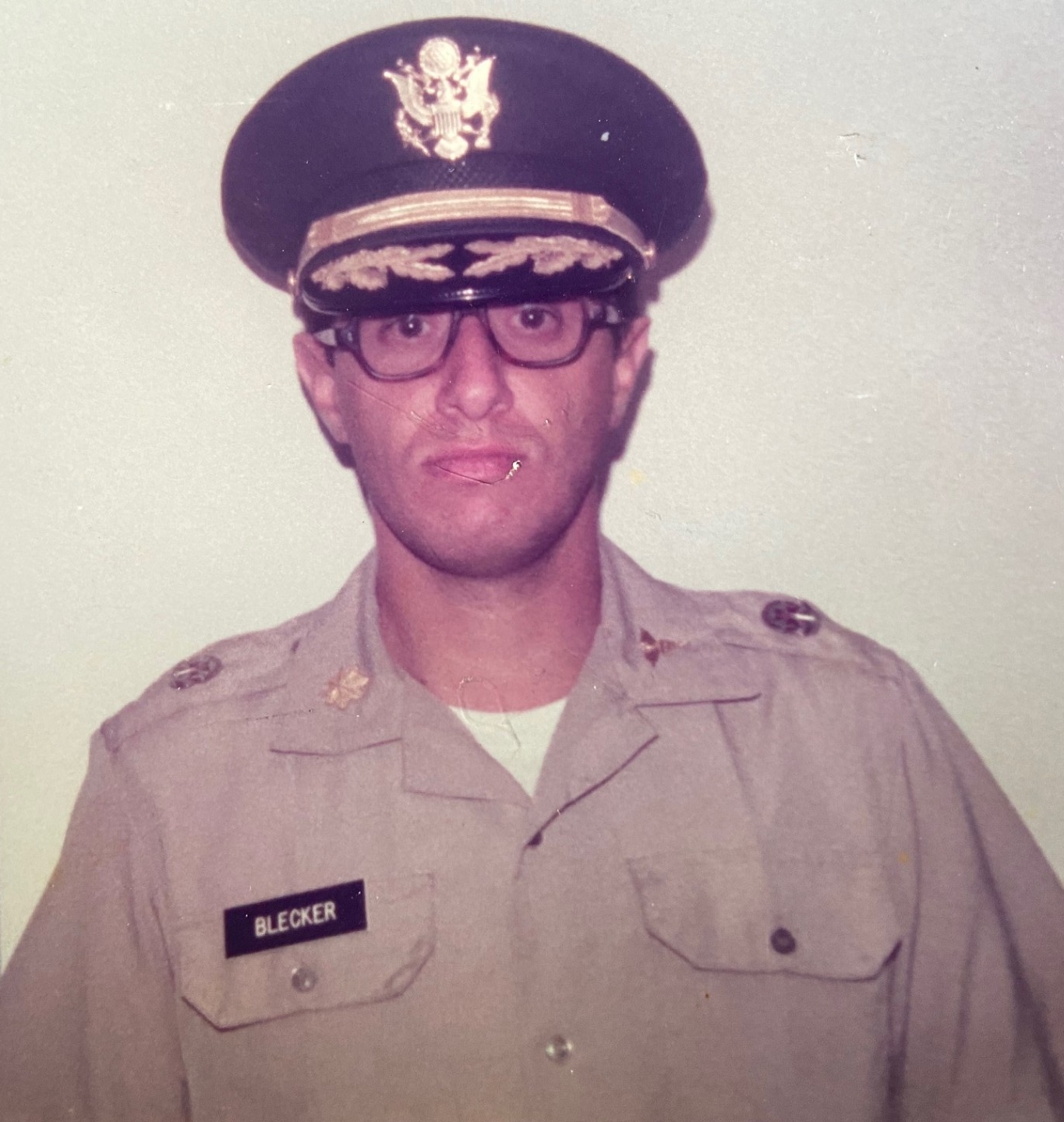
Part 1: Dr. Michael J. Blecker, born in Bayonne, New Jersey, in 1945, discusses his family's immigration history, with his mother's side coming from Minsk, Russia, and his father's side from Austria. Dr. Blecker recounts his childhood in Bayonne, including his education, neighborhood experiences, and family dynamics.
He details his father's struggle with lung cancer, which influenced his decision to pursue a career in medicine. Dr. Blecker describes his time at Rutgers University, where he majored in biological sciences and joined the Zeta Beta Tau fraternity. He reflects on the academic rigor, social life, and the impact of historical events like the Kennedy assassination on his studies.
Dr. Blecker also talks about his medical education at Jefferson Medical College, his experiences during the Vietnam War era, and his eventual service in the US Army under the Berry Plan.
Part 2: Dr. Blecker continues to share his experiences at Jefferson Medical College during the Vietnam War era, detailing the Berry Plan, which allowed medical students to defer military service until after their residency. He describes the process of being assigned to Fort Dix, New Jersey, where he served as an allergist. He recounts the challenges of military medicine, including dealing with the swine flu outbreak and Army life.
After his military service, Dr. Blecker completed a pulmonary fellowship at St. Vincent's Hospital in New York City, where he continued to work for most of his career. He reflects on the impact of the AIDS epidemic on his career, which led him to transition from pulmonary medicine to emergency medicine. He shares his experiences working in the emergency room.
Dr. Blecker also discusses his involvement in major events such as the 1993 World Trade Center bombing and the 9/11 attacks, highlighting the chaos and challenges faced by medical professionals during these crises. He describes the impact of the COVID-19 pandemic on his work, including the initial response, the challenges of treating patients, and the emotional toll on healthcare workers.
Throughout the interview, Dr. Blecker emphasizes the importance of his education at Rutgers University and his ongoing connection to the institution. He reflects on his involvement with Rutgers alumni activities and his commitment to supporting the university.
The Rutgers Oral History Archives received an operating support grant from the New Jersey Historical Commission, a division of the Department of State. In the 2024-2025 cycle, this grant assisted the ROHA staff in making this oral history available to you for your use.